

On this page
- Important Disclaimer
- Two Popular Approaches
- What is a Digital Detox?
- Benefits of Digital Detox
- Limitations of Detox
- What is Digital Balance?
- Benefits of Digital Balance
- Digital Balance Tips
- Detox or Balance?
- Professional Insights and Recommendations
- Your Digital Wellness Plan
- When to Get Professional Support
- References & Citations
- About the Author
Digital balance is often more sustainable than complete digital detox for long-term wellbeing. A 2022 systematic review on digital detox found mixed but promising evidence for temporary breaks, while NIH/NHLBI sleep deprivation guidance explains why protecting sleep is central to mental and physical health. Consistent boundaries, fewer non-essential notifications, and phone-free time are practical starting points.

Co-founder, TherapyMends
In today's digital world, many people feel glued to phones and screens. A 2019 Asurion survey reported that Americans checked their phones 96 times a day, while peer-reviewed digital-wellbeing research and NIH/NHLBI sleep deprivation guidance connect late-night screen habits, poor sleep, stress, and mood disruption. As mental health professionals at TherapyMends, we often meet clients facing stress, anxiety, and relationship problems linked to tech overuse.
So the question is not whether our screen habits affect our mental health. The real question is how we should manage them smartly.
Two Popular Approaches
- Digital Detox: a complete break from tech
- Digital Balance: a healthy way of using tech mindfully
What is a Digital Detox?
A digital detox means taking a full or partial break from using phones, laptops, social media, and entertainment platforms for a fixed time (maybe a few days, weeks, or more).
People may try:
- Staying off phones and computers completely
- Deleting social media apps
- Avoiding Netflix, gaming, and online scrolling
- Only using tech for urgent work tasks
Benefits of Digital Detox
A 2022 systematic review on digital detox found that short-term detoxes may help some people, especially when paired with clear goals and replacement activities. Potential benefits include:
- Reduce anxiety and stress by avoiding constant notifications
- Improve sleep by avoiding blue light and late-night scrolling
- Increase focus and mindfulness
- Reduce FOMO (fear of missing out) and social comparison
Limitations of Detox
- Hard to fully disconnect if you rely on tech for work or family
- After detox, some people binge more than before (“rebound effect”)
- Doesn’t teach long-term habits or boundaries
- Can lead to isolation from social and work life
What is Digital Balance?
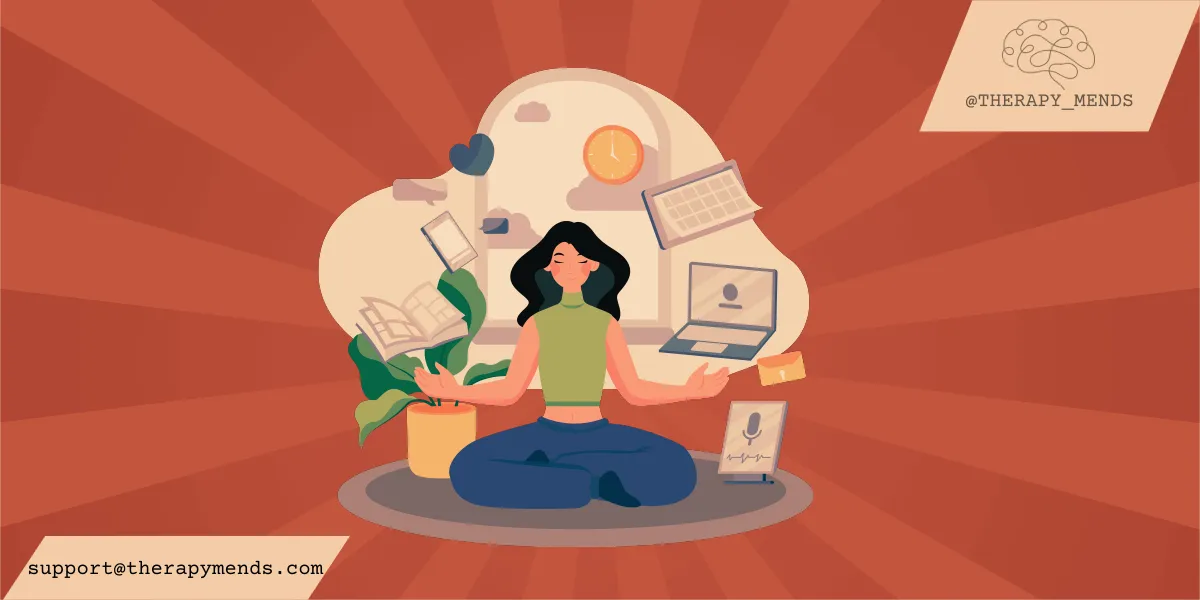
Digital balance means using tech in a smart and mindful way without quitting it completely. It’s about setting boundaries, choosing quality over quantity, and staying in control of your digital habits.
Mental Health Benefits of Digital Balance
Based on our online therapy experience, balanced tech use can:
- Build long-term healthy habits
- Keep you connected with loved ones, support groups, and resources
- Help in careers where tech is necessary
- Give you a sense of control over your screen time
How to Practise Digital Balance: Simple Tips
- The 3-2-1 Rule: 3 hours before bed: no devices; 2 hours daily: screen‑free meals; 1 hour daily: time in nature without your phone
- App Cleanup: Unfollow accounts and uninstall apps that make you feel low or anxious.
- Notification Boundaries: Turn off non-essential alerts and check messages only during set times.
- Digital Sabbath: Take a “no-screen” day once a week or fixed hours daily for rest and real-life connection.
So, Which is Better: Detox or Balance?
It depends on your lifestyle, mindset, and goals. Here’s a simple guide:
Choose Digital Detox if you:
- Feel anxious without your phone
- Can’t stop scrolling even when you want to
- Get physical symptoms like headaches or sleep issues from screen time
- Need a strong reset
- Can disconnect from work or family temporarily
Choose Digital Balance if you:
- Use tech for work or family duties
- Want to improve without extreme changes
- Have succeeded with moderation in other habits
- Understand both pros and cons of tech in your life
In our practice: The clients who succeed long-term almost never go fully offline — most of their work, study and family life lives on their phones. What actually helps is a few firm boundaries (no phone in bed, notifications off during focused work) kept consistently, rather than a dramatic detox that collapses after a week.
Professional Insights and Recommendations
At our therapy practice, we’ve found digital balance works better for most people in the long run. Why?
- It builds resilience and self-control
- It helps find and treat root causes of overuse (like loneliness or anxiety)
- It improves confidence in managing habits
Create Your Own Digital Wellness Plan
- Track your tech use and feelings for 7 days without judging yourself
- Know your values. How should tech support your goals and relationships?
- Start small. Don’t try to change everything in one go.
- Seek help if tech overuse is affecting your health or life.
When to Get Professional Support
Reach out to an experienced mental health expert if you notice:
- Ongoing anxiety or sadness linked to digital use
- Trouble reducing screen time despite negative effects
- Fights or disconnection in relationships due to phones
- Insomnia, eye strain, or headaches
- Panic when you can't access the internet or phone
Professional therapy can help you understand the root causes of excessive screen time and develop healthier coping strategies. Book a consultation with our experienced therapists to get personalized support.
A Word on Finding Your Balance
Whether you choose a detox, balance, or a mix of both, it’s important to listen to yourself. Your mental health is personal. What helps others may not help you, and that’s perfectly okay.
The goal is not to remove technology from life. It’s to use it in a way that supports your peace of mind.
Ready to take charge of your digital life? Take the first step toward a healthier, more balanced relationship with technology by setting clear, realistic goals today.
Found this article helpful? Share it with friends, family, or colleagues who might benefit from understanding digital wellness strategies and finding the right approach for their mental health.
Frequently Asked Questions
What is the difference between a digital detox and digital balance?
A digital detox is a temporary, deliberate break from screens or specific apps — anything from a few hours to a few weeks — used to reset your relationship with technology. Digital balance is an ongoing, sustainable way of using devices mindfully, where technology supports your life rather than running it. A detox is an event; balance is a habit.
Is a digital detox or digital balance better for mental health?
For most people, digital balance is more effective long term because it's sustainable and fits real life, where work, study and family often happen online. A short detox can be a helpful reset — especially if you feel overwhelmed or compulsive about your phone — but the lasting benefit comes from the mindful habits you keep afterwards. Think of a detox as the reset and balance as the maintenance.
How do I start a digital detox?
Start small and specific rather than going completely offline. Pick one boundary — no phone for the first hour after waking, no screens an hour before bed, or one app-free evening a week. Turn off non-essential notifications, keep your phone out of the bedroom, and replace the scrolling time with something you enjoy offline. Notice how you feel, and build the changes that genuinely help into your routine.
When should screen habits prompt professional support?
Consider reaching out if screen use feels compulsive, if you feel anxious or low when you can't check your phone, or if technology is interfering with sleep, work, study or relationships. These can be signs of underlying anxiety or low mood rather than a willpower problem. At TherapyMends, online therapy for anxiety can help you understand what's driving the habit and build a healthier relationship with technology.
References & Citations
- Twenge, J. M., & Campbell, W. K. (2018). Associations between screen time and lower psychological well-being among children and adolescents. Preventive Medicine Reports, 12, 271-283. Available at: View full text on PubMed Central
- Przybylski, A. K., & Weinstein, N. (2017). A large-scale test of the Goldilocks Hypothesis: Quantifying the relations between digital-screen use and the mental well-being of adolescents. Psychological Science, 28(2), 204-215.
- Hunt, M. G., Marx, R., Lipson, C., & Young, J. (2018). No more FOMO: Limiting social media decreases loneliness and depression. Journal of Social and Clinical Psychology, 37(10), 751-768.
- Radtke, T., Apel, T., Schenkel, K., Keller, J., & von Lindern, E. (2022). Digital detox: An effective solution in the smartphone era? A systematic literature review. Mobile Media & Communication, 10(2), 190-215. Available at: View DOI
- Lissak, G. (2018). Adverse physiological and psychological effects of screen time on children and adolescents. Environmental Research, 164, 149-157. Available at: View on PubMed
- Wilcockson, T. D., Ellis, D. A., & Shaw, H. (2018). Determining typical smartphone usage: What data do we need? Cyberpsychology, Behavior, and Social Networking, 21(11), 711-716.
- Asurion. (2019). Americans check their phones 96 times a day. Asurion. Available at: Read survey on asurion.com
- National Heart, Lung, and Blood Institute. (2022). Sleep Deprivation and Deficiency. NIH/NHLBI. Available at: View guidance on nhlbi.nih.gov